
Wood vs Metal Pilates Reformers: Which is Better?
Wood vs Metal Pilates Reformers
When choosing a pilates reformer machine, one of the first decisions you will encounter is frame material — wood or metal. Both have genuine advantages, and the right choice depends on your training environment, aesthetic preferences, and how frequently the machine will be used.
Wood Pilates Reformers
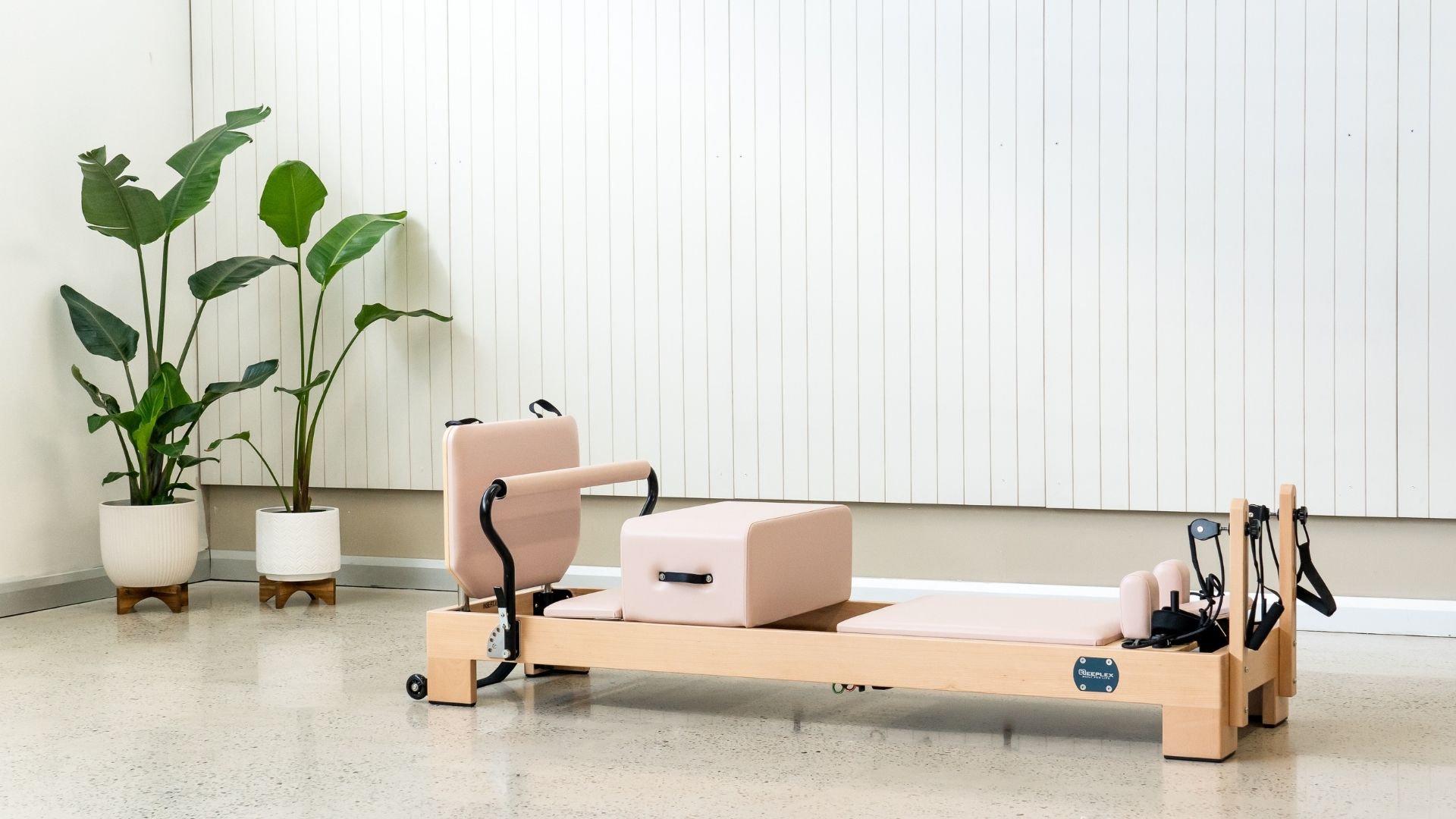
Wood reformers are the traditional choice, rooted in the original design principles of Joseph Pilates. Today’s wood reformers are built from premium hardwoods including maple, beechwood, and oak — materials chosen for their density, stability, and natural beauty.
Advantages of Wood Reformers
- Natural shock absorption — hardwood frames dampen vibration slightly, creating a smooth, quiet carriage movement that many practitioners prefer
- Aesthetic appeal — natural timber finishes complement home interiors and dedicated studio spaces far better than industrial metal frames
- Durability — quality hardwood reformers built from maple or beechwood maintain structural integrity for many years under regular use
- Warmth underfoot — wood footbars feel more comfortable against bare feet than cold metal, particularly in cooler climates
- Traditional experience — many experienced Pilates practitioners prefer the feel of a wood reformer for its connection to the origins of the method
Disadvantages of Wood Reformers
- More susceptible to moisture and humidity over time — requires periodic conditioning in very humid environments
- Heavier than aluminium alternatives, making relocation more difficult
- Premium hardwood models sit at a higher price point than entry-level metal reformers
Metal Pilates Reformers
Metal reformers — typically constructed from aluminium or steel — are commonly found in high-traffic commercial studios. Their industrial construction prioritises durability and ease of maintenance over aesthetics.
Advantages of Metal Reformers
- High wear resistance — metal frames withstand the demands of commercial studio use with multiple clients per day
- Easy to clean — smooth metal surfaces are straightforward to wipe down between clients in studio environments
- Consistent spring tension — metal spring housings maintain precise tension over extended use periods
- Lighter weight (aluminium) — aluminium reformers are easier to move and reposition than hardwood models
Disadvantages of Metal Reformers
- Less aesthetically suited to home environments — the industrial look can feel out of place in a living space or dedicated home studio
- Can feel harder and less forgiving under the carriage than wood alternatives
- Metal footbars can be cold and uncomfortable against bare feet
Which is Better for Home Use?
For most home users, a premium wood reformer is the better choice. The combination of performance, durability, and visual appeal makes wood reformers a natural fit for home studio environments where aesthetics matter alongside function.
The Reeplex Luna series (beechwood) and Bespoke series (maple) are specifically designed with home environments in mind — commercial-quality build with the warmth and finish of a premium home piece.
Which is Better for Studio Use?
For high-frequency commercial studio use with multiple daily clients, metal reformers offer better resistance to wear and easier maintenance. However, many boutique studios choose premium wood reformers specifically because clients value the aesthetic experience as part of their Pilates practice.
The Reeplex Bespoke Difference
The Reeplex Bespoke series offers a hybrid approach — a maple hardwood frame combined with precision-engineered spring and carriage systems, available in 14 upholstery colours. This makes it a popular choice for boutique studios that want the performance of a commercial machine with the premium aesthetic of a wood reformer.
Comparing Wood and Metal Side by Side
Durability: Both last many years when maintained properly. Metal has an edge in high-traffic commercial settings. Wood performs equally well for home and low-volume studio use.
Carriage feel: Wood reformers typically offer a slightly smoother, quieter carriage movement. Metal reformers are consistent and precise.
Aesthetics: Wood wins for home environments. Metal suits commercial and clinical settings.
Maintenance: Metal is marginally easier to clean. Wood requires occasional conditioning but no special care under normal use.
Price: Entry-level metal reformers can be cheaper. Premium wood reformers and premium metal reformers sit at similar price points.
See Both In-Store
The best way to decide between wood and metal is to try both. Dynamo Fitness showrooms across Australia stock both wood and metal pilates reformer machines — you can test the carriage feel, assess the build quality, and compare models side by side. No appointment needed.

Dynamo Fitness Equipment