Glute Kickback Machines: Are They Worth It, and Which One to Buy?
The short answer: a glute kickback machine is worth it for gyms and studios where glute training drives memberships — it isolates the glutes through a guided hip-extension arc with none of the setup hassle of barbell hip thrusts. In Australia, commercial machines run $1,800–$3,880 (e.g. the Reeplex Standing Glute Kickback Machine, ~$2,800). For a home gym, a hip thrust setup plus cable kickbacks usually makes more sense — here’s how to decide.
What a glute kickback machine does
It loads hip extension — driving the leg back and up — one leg at a time, with your torso supported and the movement path guided. That combination is why it’s everywhere on gym floors now: it isolates the glutes (minimal lower-back or hamstring takeover), it’s easy to learn on day one, and single-leg loading fixes the left-right imbalances that two-leg lifts hide.
Kickback machine vs hip thrust vs cable kickback
| Kickback machine | Barbell hip thrust | Cable kickback | |
|---|---|---|---|
| Glute isolation | Excellent | Very good (some hamstring) | Good |
| Load potential | Moderate–high | Highest by far | Light–moderate |
| Setup hassle | None | Bar, pad, bench, loading | Ankle cuff on a cable stack |
| Single-leg | Yes — built for it | No (barbell version) | Yes |
| Beginner-friendly | Very | Moderate | Very |
| Cost to have at home | $1,800–$3,880 | Bar + bench you likely own | Any functional trainer + $30 cuff |
Prices are indicative and rounded – check the linked product pages for current pricing.
Program-wise they stack rather than compete: heavy hip thrusts for load, machine or cable kickbacks for isolation volume. That’s exactly why commercial floors carry both.
The machines, compared (real AUD prices)
- Reeplex Commercial Hip Thrust Glute Machine — ~$1,800. Plate-loaded hip thrust station: the belt-and-pad setup removes the barbell faff and is the best value “glute machine” if heavy hip extension is the goal.
- Real Leader Glute Machine — ~$2,000. Dedicated glute station at studio-friendly pricing.
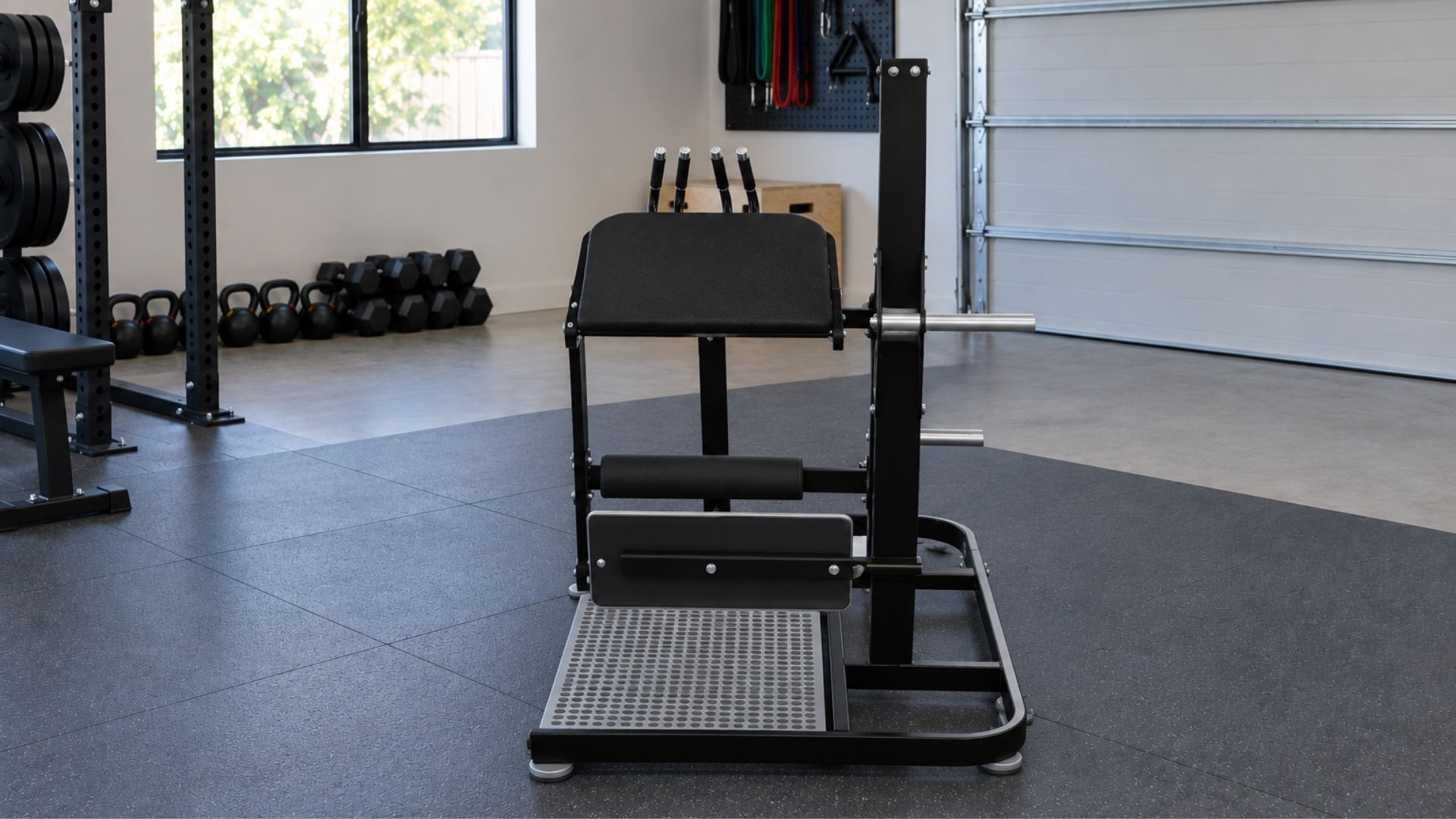
- Reeplex Standing Glute Kickback Machine — ~$2,800. The classic standing pattern, commercial build; the one most people picture.
- Reeplex Commercial Pin-Loaded Glute Kickback — ~$3,900. Pin-loaded stack for busy floors — no plate loading between users, fastest member turnover.
- Watson Plate Load Glute Blaster / Intenza Uplift Line — premium builds, priced on application for performance facilities.
Choosing between them: studios programming glute-focused classes want the pin-loaded kickback (fast changeovers); PT studios and garage gyms get more per dollar from the ~$1,800 hip thrust machine; and if members ask specifically for “the kickback machine”, the ~$2,800 standing unit is the crowd-pleaser.
The budget alternative
Under ~$100 covers a lot of glute training: a heavy-duty ankle cuff (~$30) on any functional trainer replicates the kickback pattern, and fabric booty bands (~$40) handle activation and burnout work anywhere. The machine’s advantage is guided loading and progression — not magic the cable can’t do.
Glute kickback machine FAQs
How much does a glute kickback machine cost in Australia?
Commercial machines run $1,800–$3,880 AUD: plate-loaded hip thrust stations from ~$1,800 standing kickback machines around ~$2,800 and pin-loaded kickback stacks up to $3,880. Premium brands are priced on application.
Are glute kickback machines effective?
Yes — for isolation. They load hip extension through a guided arc with minimal lower-back involvement, which makes them excellent for volume work and beginners. For maximum glute strength, pair them with a heavier hip-extension lift like hip thrusts.
Glute kickback machine or hip thrust — which is better?
Hip thrusts win for heavy loading; the kickback machine wins for isolation, single-leg work and zero setup. Most good glute programs use a heavy thrust movement plus kickback volume rather than choosing one.
Is a glute kickback machine worth it for a home gym?
Usually not first — a bench, bar and an ankle-cuff cable cover the same patterns for far less money and space. It becomes worth it when glute training is your priority and the budget and floor space are already there.

Dynamo Fitness Equipment