
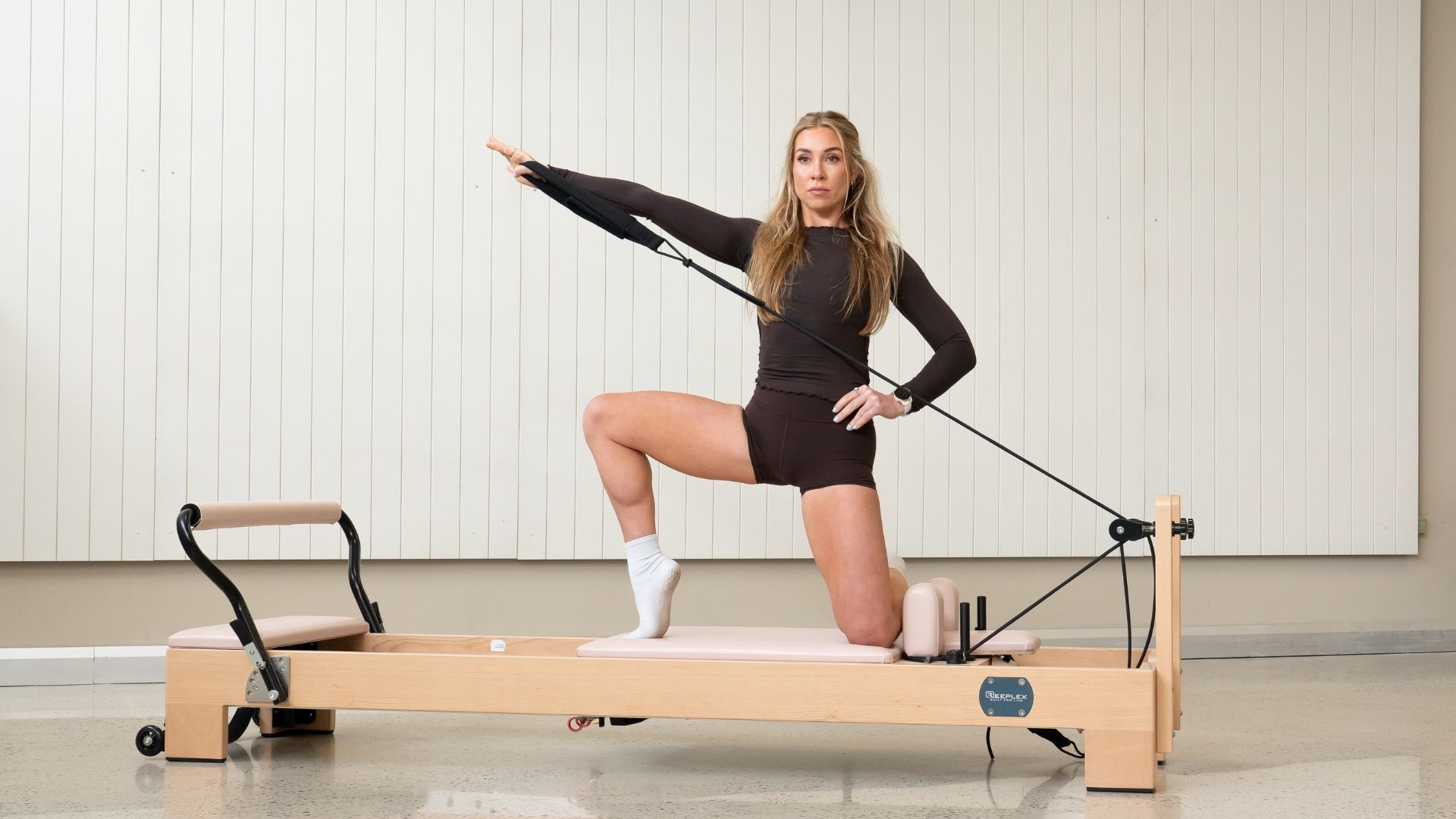
How to Choose a Pilates Reformer for Home Use
Choosing a Pilates Reformer for Home Use
Buying a pilates reformer machine for home use is a significant investment. With a wide range of models available at different price points, it pays to understand what separates a great home reformer from one that will disappoint within a year.
This guide covers everything you need to consider before purchasing — from frame material and size to spring resistance and accessories.
Step 1: Measure Your Space
Before looking at any specific model, measure the space where the reformer will live. A standard reformer requires:
- Length: 240–260cm (plus 30cm clearance at each end for footbar movement)
- Width: 65–75cm (plus space on either side to mount and dismount safely)
- Ceiling height: standard rooms are fine — no special clearance required
If space is limited, a foldable pilates reformer is worth considering — these fold vertically when not in use and can reduce the floor footprint significantly.
Step 2: Consider Your Training Goals
Your goals will influence which type of reformer suits you best:
- General fitness and flexibility — a mid-range home reformer with a standard spring system will cover most needs
- Rehabilitation or injury recovery — look for a wide spring range (light to extra heavy) and a stable frame with easy spring adjustment
- Advanced training and studio-quality workouts — consider models with full or half trapeze frames for expanded exercise options
- Beginners — any quality home reformer with clear instruction material will work well; focus on build quality and adjustability over features
Step 3: Frame Material — Wood vs Metal
Pilates reformers are built from either wood (typically maple, beechwood, or oak) or metal (aluminium or steel). Both materials have distinct advantages.
Wood Reformers
Wood reformers are the traditional choice and remain popular for home environments. Benefits include:
- Natural shock absorption — wood dampens vibration slightly, creating a smoother carriage feel
- Visual appeal — natural timber finishes blend well with home interiors
- Long-term durability when made from quality hardwoods like beechwood or maple
The Reeplex Luna and Bespoke series use premium beechwood and maple construction, making them a popular choice for home studio setups.
Metal Reformers
Metal reformers are more common in commercial studios and high-traffic environments. Benefits include:
- High resistance to wear under heavy daily use
- Consistent, precise spring tension
- Easier to clean and maintain in shared environments
For most home users, a quality wood reformer is the better choice for both performance and aesthetics.
Step 4: Spring Resistance System
The spring system determines the resistance range available to you. Most quality reformers include four to five springs of varying tension:
- Light springs — used for upper body work, beginners, and rehabilitation exercises
- Medium springs — general resistance for most exercises
- Heavy springs — lower body work, advanced exercises
Look for a reformer with clearly labelled spring tension levels and easy-to-use spring attachment points. Being able to change resistance quickly between exercises is important for smooth training flow.
Step 5: Carriage and Rail Quality
The carriage is what you lie, sit, or stand on during exercises. A quality carriage should:
- Glide smoothly and quietly along the rails with no lateral wobble
- Have sufficient padding (high density foam) for comfort during extended sessions
- Be wide enough to support your full shoulder width
Test the carriage in-store if possible — you will immediately feel the difference between a quality and budget carriage system.
Step 6: Weight Capacity
Check the manufacturer’s specified maximum user weight. Most quality home reformers support 120–150kg. If you are close to or above the mid-range capacity, opt for a model with a higher rated capacity for safety and longevity.
Step 7: Accessories and Add-Ons
Consider what is included with the reformer:
- Jumpboard — allows cardio-focused jumping exercises on the reformer
- Box — a padded box that sits on the carriage for seated and kneeling exercises
- Trapeze frame — extends the exercise range significantly with overhead bar exercises
- Reformer mat — protects the carriage surface and provides extra grip
Some Dynamo Fitness reformer packages include accessories as standard — check individual product pages for inclusions.
Step 8: Warranty and After-Sales Support
A pilates reformer is a long-term investment. Ensure the model you choose comes with:
- A manufacturer warranty covering frame, springs, and moving parts
- Access to spare parts in Australia — particularly important for spring replacement
- Local service and repair support
Reeplex reformers sold through Dynamo Fitness are backed by local spare parts and servicing support Australia-wide.
Recommended Home Pilates Reformers
Dynamo Fitness stocks a carefully selected range of pilates reformer machines for home and studio use, including the Reeplex Luna, Reeplex Bespoke series, and Impact Fitness foldable models. Every reformer is available to try in-store across Perth, Melbourne, Sydney, Brisbane, Adelaide, and the Gold Coast — no appointment needed.

Dynamo Fitness Equipment