Comparing Treadmills vs. Rowing Machines for Full-Body Workouts
People across Australia continue to invest more time and effort into fitness, seeking gym equipment that delivers real results with efficient routines. Among the most widely used machines in both home and commercial gyms, treadmills and rowing machines lead the way. Each brings its own benefits, but many users wonder which one supports full-body development more effectively.
As interest grows in workouts that improve cardiovascular health while also building strength and burning calories, both machines stand out as strong contenders. The treadmill focuses on movement patterns that boost lower-body endurance and heart rate, while the rowing machine activates a larger range of muscles with low-impact motions.
So, if you are planning to invest in a machine that supports lasting progress, the right choice depends on clear fitness goals, available space, and personal preference. Dynamo Fitness, with showrooms across major cities in Australia, offers a premium selection of treadmills and rowing machines for all experience levels.
Quick Comparison Snapshot: Treadmill vs Rowing Machine
Use the table below to compare the essential differences between treadmills and rowing machines. This overview helps identify which machine aligns better with your fitness goals, space, and budget.
| Feature | Treadmill | Rowing Machine |
| Muscle Groups | Targets lower body: quads, glutes, calves | Engages full body: legs, core, back, arms |
| Calorie Burn | High at incline or speed intervals | Higher overall burn per minute with full-body effort |
| Joint Impact | High impact, supports bone strength | Low impact, suitable for joint sensitivity |
| Ease of Use | Simple to use with minimal learning | Requires attention to form and posture for full benefit |
| Space Required | Larger footprint, often less portable | Compact, many models fold for storage |
| Best For | Cardio endurance, running performance, bone health | Strength endurance, total body conditioning, calorie efficiency |
What Part of the Body Does Each Machine Target?
Treadmill Focus
The treadmill focuses heavily on the lower body. Each step activates the quadriceps, glutes, calves, and hamstrings. When users walk or run at higher speeds, the legs absorb repeated motion, building endurance and strength over time. As the pace increases or incline rises, the demand on the muscles intensifies.
While the legs remain the primary movers, the core also plays an essential role. During uphill walking or sprint intervals, the abdominal muscles work to stabilize the spine and support the hips. This added involvement enhances balance and posture throughout the session. As a result, treadmill workouts contribute to both muscular strength and cardiovascular capacity, especially when performed consistently.
Rowing Machine Focus
The rowing machine creates a total-body workout experience. With each stroke, users drive through their legs, stabilize through the core, and finish with the upper body. This sequence engages nearly 85 percent of major muscle groups. Studies by fitness institutions confirm that rowing offers higher muscular involvement than many traditional cardio machines.
The movement starts with the legs, then travels through the hips and midsection, and ends with the back, shoulders, and arms. This chain of motion allows for full-body development, not only in strength but also in coordination. The rhythm promotes power output while keeping the load evenly distributed. Over time, users notice improvements across multiple muscle groups, which makes the rowing machine a strong option for building strength through low-impact sessions.
Read Also: Exercise Bike vs Treadmill
Treadmills vs Rowers: Calorie Burn and Fat Loss Potential
How Many Calories Can You Burn?
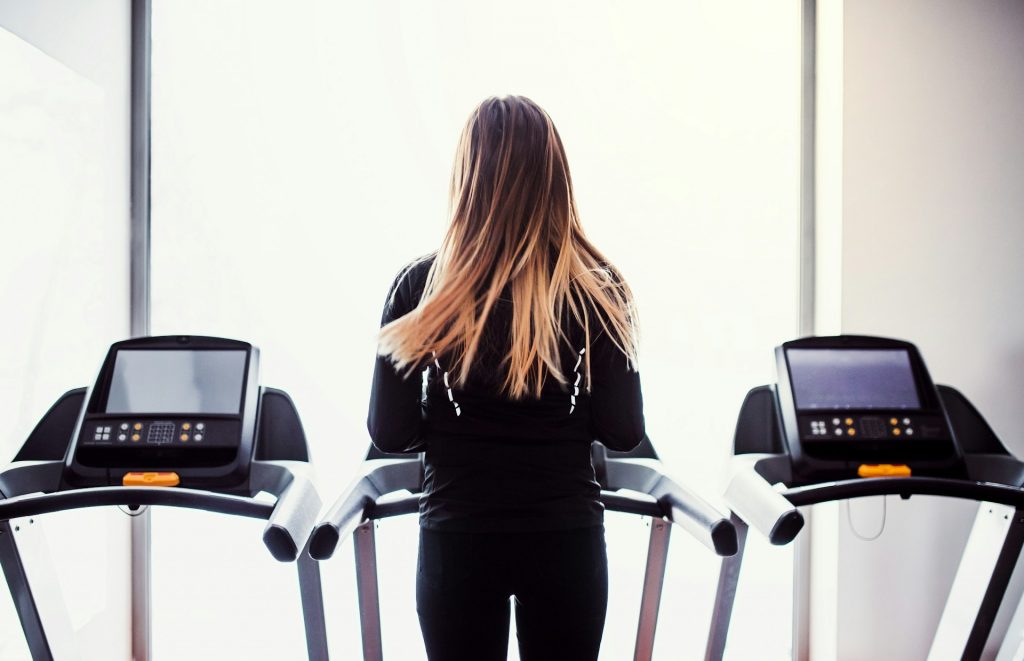
Calorie burn depends on several key variables, including body weight, session length, and workout intensity. A 30-minute treadmill session at a moderate pace typically burns between 250 and 400 calories for most users. Those who increase their speed or incline often reach even higher totals, especially during interval runs.
On the other hand, rowing can lead to a higher calorie burn within the same time frame. When performed with proper form and consistent effort, rowing can burn 400 to 600 calories in 30 minutes. The difference comes down to total muscle involvement. Since the rowing machine recruits both upper and lower body muscles at once, the body requires more energy to complete each stroke. This demand results in higher overall output.
Which Machine Supports Better Fat Loss?
Rowing offers a unique advantage in terms of metabolic conditioning. The total-body nature of each session raises heart rate quickly and maintains it throughout the workout. This effect contributes to improvements in VO₂ max, which reflects how efficiently the body uses oxygen. A higher VO₂ max leads to better endurance and faster fat oxidation during exercise.
Several benchmarks suggest rowing improves cardiovascular fitness faster than steady-state treadmill use. In addition, rowing allows users to build strength while also reducing fat, which supports a more balanced transformation. Although both machines can aid in fat loss, rowing often delivers a higher return when the goal involves both conditioning and muscular development.
Read Also: Elliptical Machine vs Treadmill
Joint Impact and Injury Risk
Is a Treadmill Bad for Your Knees?
Treadmills apply repeated impact on the lower joints, particularly the knees and ankles. This impact simulates outdoor walking or running and helps strengthen bones over time. For many users, this benefit contributes to greater skeletal density and long-term joint health. However, the surface quality and cushioning level affect how much stress the joints absorb.
Machines with advanced shock-absorbing platforms reduce this pressure and allow users to train longer without discomfort. Incline settings also influence joint safety. Uphill movement typically reduces the force on joints compared to flat or downhill surfaces. Users who start slow and adjust their stride length tend to avoid common issues.
Why Rowing is Lower-Impact
The rowing machine creates a smooth, gliding motion that removes stress from the joints. Because users remain seated, the knees, hips, and ankles experience less force throughout the session. This quality makes rowing a safer option for older adults, beginners, and individuals recovering from joint-related injuries.
Despite the low impact, form plays a critical role in injury prevention. Rounding the back or pulling with the arms too early can lead to strain, especially in the lower spine. With proper technique, users maintain alignment and distribute the load across the full body. As a result, rowing becomes both effective and safe, especially for those seeking strength without added joint pressure.
Rowing Machine vs Treadmill: Which Machine Matches Your Fitness Objectives?
Weight Loss and Cardio Endurance
Treadmills and rowing machines both support effective fat reduction, but they achieve this in different ways.
Treadmills raise the heart rate quickly through consistent leg motion, which leads to increased calorie output during long sessions. High-speed intervals or uphill climbs enhance this effect and help users maintain aerobic intensity.
Rowing machines elevate the heart rate through full-body movement, which demands more energy per stroke. Since the body uses multiple muscle groups at once, the calorie burn remains steady and often exceeds treadmill output in a shorter time. Studies show that rowing improves cardiovascular endurance through both aerobic and anaerobic zones, making it a strong choice for those who want to improve stamina while reducing fat.
Strength and Muscle Toning
Rowing creates resistance with every pull, and this resistance helps develop strength across the entire body. The legs, core, back, and arms each contribute to the movement, which supports muscle toning while improving power.
Treadmills build strength in a different way. Incline settings increase load on the glutes, hamstrings, and calves, helping to tone the lower body. While this effect focuses more on the legs, it still improves endurance and muscle control.
Functional Training and Sport-Specific Conditioning
Athletes in performance phases often include rowing in their CrossFit or HIIT programs. The low-impact, high-output structure makes it ideal for full-body power circuits, allowing for longer bursts without fatigue in any single muscle group.
Treadmills provide value in conditioning programs for runners and field athletes. They simulate outdoor movement and improve stride patterns, pacing, and anaerobic thresholds. Runners benefit most during speed and incline intervals, which sharpen performance for both distance and sprint events.
Read Also: Advantages of Magnetic Rowing Machines
Practical Considerations: Space, Budget, and Maintenance
Home Gym Fit: Which Machine Takes Less Space?
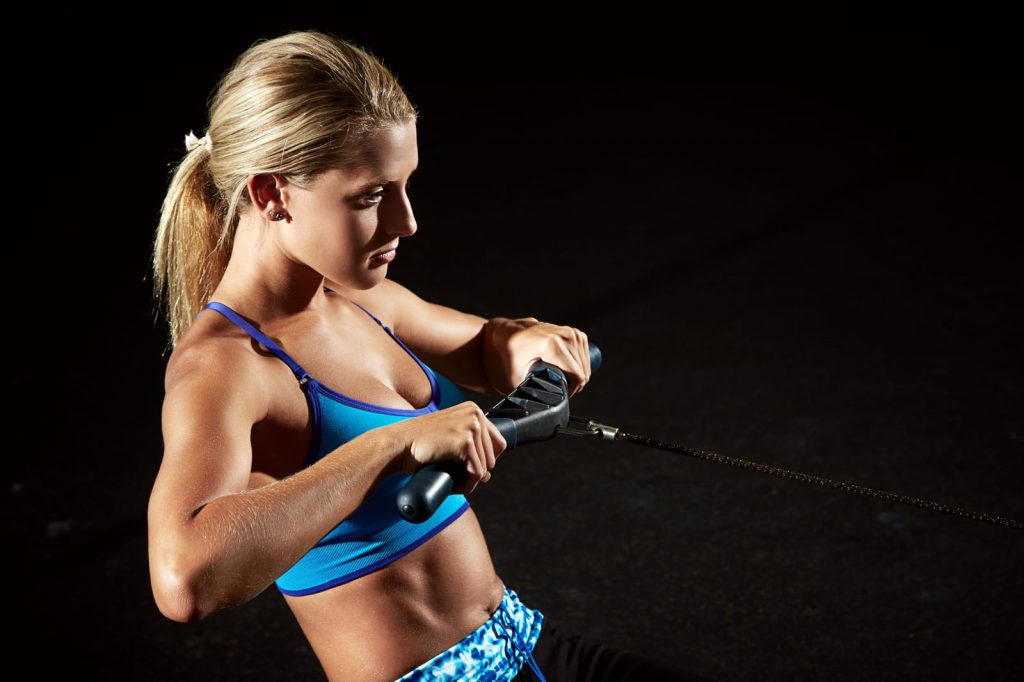
When space limits fitness equipment choice, rowing machines offer a clear advantage. Most models fold vertically and store easily in compact areas, making them ideal for apartments or multipurpose rooms. Treadmills take up more space due to their motor base, belt, and incline platform, which means users need a dedicated area for safe use and storage.
Cost Comparison
Both machines come in a wide range of prices, but the type of use often determines the right investment. Entry-level treadmills may offer basic features for walking or light jogging, while higher-end models support full running programs and advanced metrics.
Rowing machines also vary in price. Basic air or magnetic rowers provide smooth operation for home use, while commercial-grade models feature advanced resistance systems and performance tracking. Over time, high-quality machines from trusted brands like Reeplex offer greater durability and lower service needs, making them a strong long-term investment.
Noise, Storage, and Servicing
Noise becomes a major factor in shared spaces. Treadmills with quiet motors and cushioned belts reduce impact sounds, but still create consistent mechanical hum. Rowing machines operate more quietly, especially when using magnetic resistance, which makes them a better choice for apartments or early-morning use.
Storage needs also affect decision-making. Foldable rowers store upright and move easily with wheels. Treadmills, although sometimes foldable, remain heavier and harder to transport. For both machines, choosing a brand with a solid warranty and local service support, such as Reeplex through Dynamo Fitness, helps reduce downtime and keeps maintenance simple.
Try Before You Buy at Dynamo Fitness
Finding the right machine depends on more than just stats and features. Trying gym and fitness equipment in person helps users feel the difference and match the choice to their goals. Dynamo Fitness invites you to visit one of our showrooms across Australia and test premium treadmills for sale and rowing machines for yourself.
Our team provides expert guidance on machine features, usage tips, and training recommendations. We also offer flexible financing options, home delivery, and full installation support. For those building a home gym or upgrading a facility, Dynamo Fitness makes the process smooth and personalized.
Explore our full range of treadmills and rowers online or speak with a team member to start your fitness journey with confidence.
[sp_easyaccordion id=”5897″]